How much should I spend on Google Ads to start?
For most local service businesses, somewhere between $1,000 and $2,000 a month in ad spend is where campaigns start producing enough data to optimize against. Below about $1,000 it is usually not worth running, and I will say so rather than take the work. The more useful question is what a lead is worth to you — there's a calculator here that works it out from your job value, margin and close rate in about thirty seconds.
How long before Google Ads starts working?
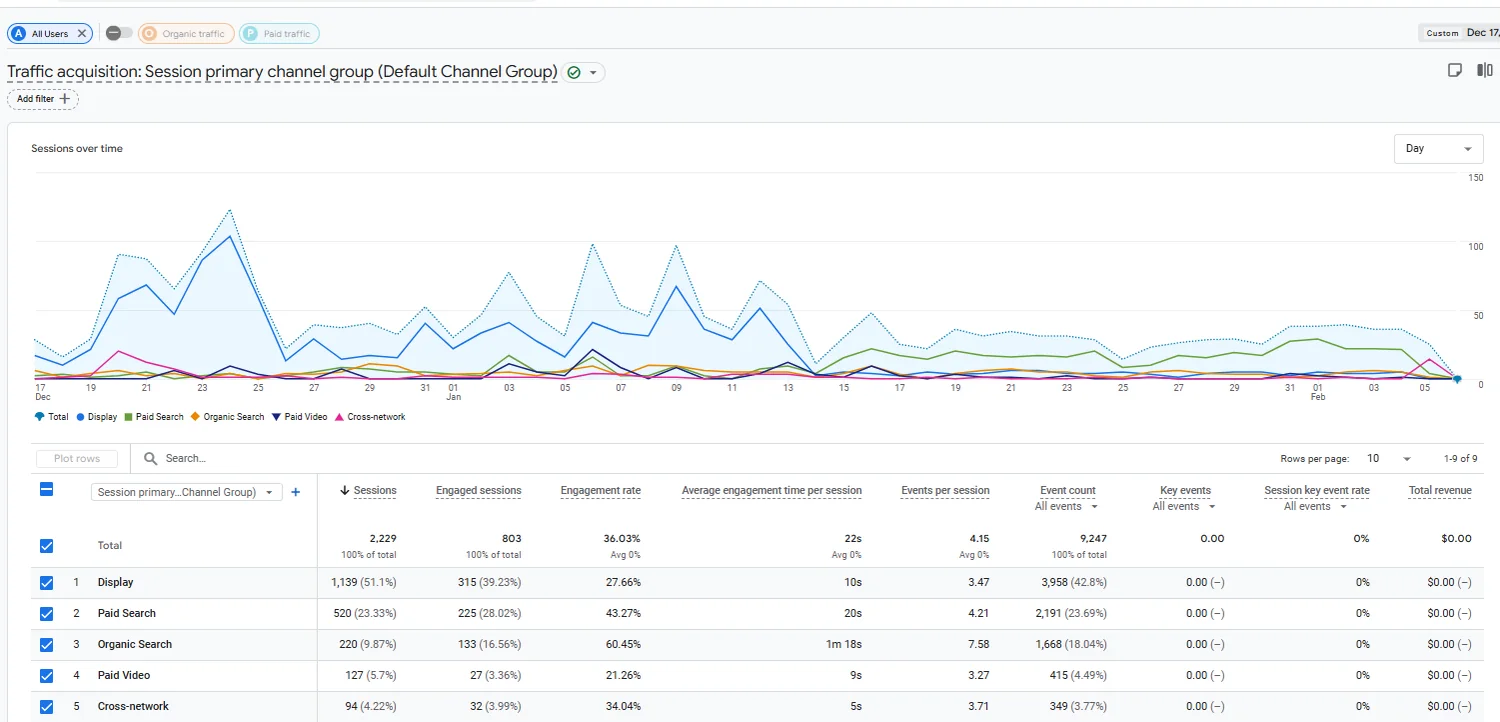
Expect two to four weeks before the numbers mean anything, and about 90 days for a fair read. The first month is mostly data collection — letting it run broad enough to find out which searches actually convert. The real work starts after that: reading the search terms report and cutting the queries quietly draining budget. Every negative keyword added makes the account sharper, so it compounds. That is also why Google settles into something closer to set-and-forget than Meta does — there is no creative fatigue on search the way there is in a feed, so a well-refined account keeps working without constant new assets.
Do I need a Google Business Profile as well as ads?
Yes, and it is usually the cheaper win. The map pack sits above the paid results for most local searches and costs nothing but effort. Ads and Business Profile also reinforce each other — a verified profile with real reviews improves how your ads perform, because people check you out before they call. Some trades, notably garage door and locksmith companies, face an extra verification gate. That process is covered here.
Can I run ads without a proper website?
You can, and you will pay for it. Google scores landing page experience as part of what you pay per click, so a slow or vague page costs you more per lead for the same ad. Beyond that, a click that lands somewhere unconvincing is money already spent. Fix the destination before you increase the budget.
Who owns the account and the data?
You do. The Google Ads account, the conversion history, the Business Profile and the analytics are set up in your name. If we ever stop working together you keep all of it, including the learning the account has accumulated. Agencies that run clients inside their own account are holding your history hostage — ask before you sign anything.